
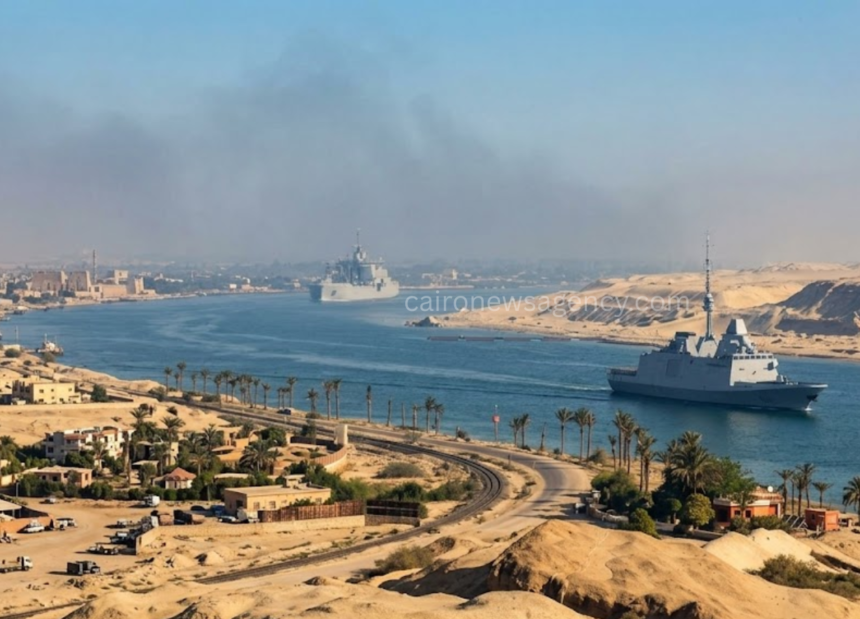
Egypt’s critical waterway channel is displaying encouraging signs of financial recovery following a tough year, and the sustained recovery in the area will depend on regional security. Official figures indicate that income from the Suez Canal has risen by 23 percent to $4.67 billion in the fiscal year 2025/26, boosted by the return of the world’s leading container ships to the waterway.
Addressing media at the sidelines of economic policy briefings, Egypt’s minister of planning and economic development, Ahmed Rostom, pointed out that restoration of regular passage through the Suez Canal is a key driver of both national development and international trade. The waterway usually handles about 12 percent of all global cargo traffic, making its smooth operations essential to the international logistics network and spot rates of shipping between Asia and Europe.
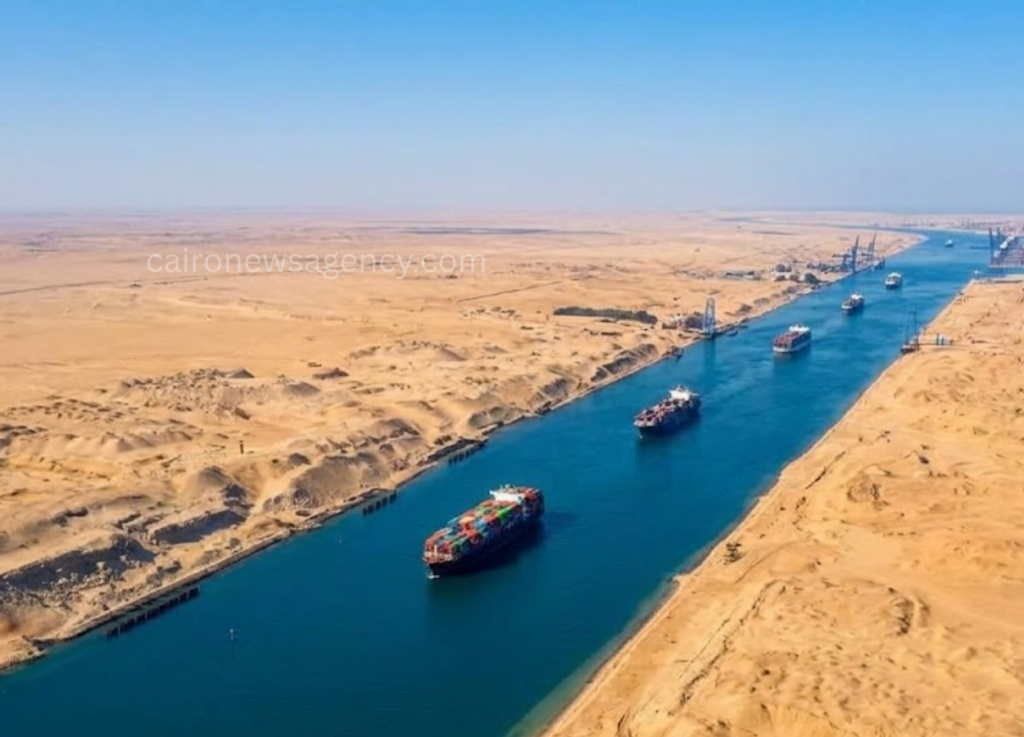
The recent rebound follows severe disruptions starting in late 2023, when security risks near the Bab Al-Mandeb strait forced commercial vessels to take longer, costlier detours around Africa’s southern cape. Consequently, Egyptian transit receipts slumped from 10.2 billion dollars in 2023 to 4 billion dollars in 2024. However, maritime confidence has gradually improved, marked by a 22 percent growth in net vessel tonnage and a 9.8 percent rise in ship transits over the past fiscal period. Major shipping conglomerates, including Maersk, CMA CGM, Hapag-Lloyd, and COSCO, have incrementally restored key Asia-Mediterranean and European loops through the canal.
Crucially, tax receipts linked to canal operations surged by more than 31 percent in the first half of the fiscal year, while the surrounding Suez Canal Economic Zone secured over 110 new industrial projects.
Despite positive trajectory metrics, official revenue projections of 8 billion dollars for the upcoming fiscal cycle depend heavily on sustained geopolitical stability along the southern Red Sea. Planning officials stress that full economic normalization requires collective international cooperation to protect merchant navigation, as canal transit taxes remain a vital pillar of foreign currency reserves and broader macroeconomic stability across the Middle East.