
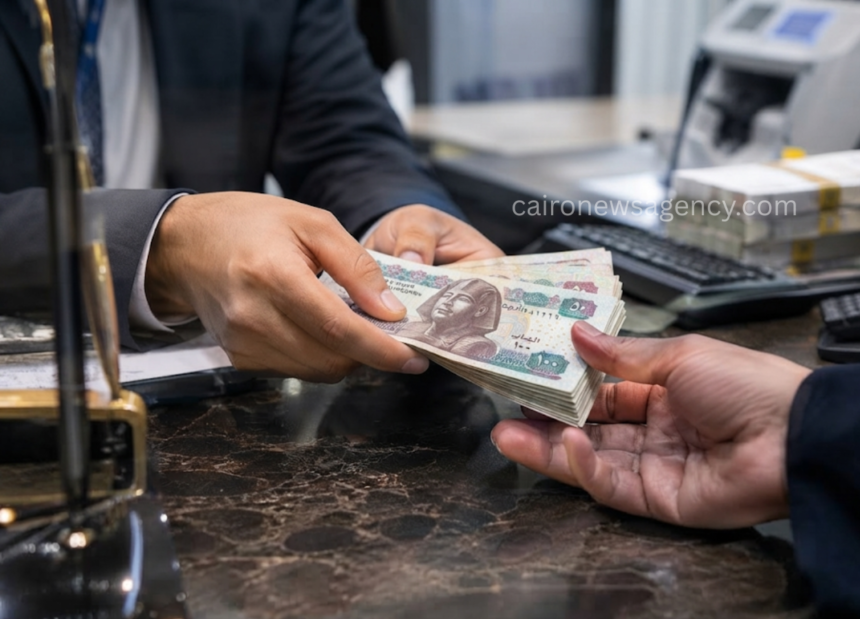
The central bank of Egypt expects the movements in headline prices towards its medium-term target range of 7%, +/- 2%, during the last six months of 2027. As a result of the recent meeting of the Monetary Policy Committee, the economic policymakers have reduced the forecasts of inflation, citing unanticipated good movements in prices in recent months within consumer categories. Egypt Inflation Rate Target
While the year-on-year growth rate of consumer prices slowed to 14.5% in August, as lower prices in food offset changes in residential prices and utilities due to low food prices, the core indicators stayed almost unchanged at 14.9%. Hence, the central bank decided to leave its benchmark interest rate unchanged. Under the current decision, the overnight deposit rate remains at 19%, while the overnight lending rate stands firm at 20%.
While current macroeconomic indicators point toward sustained disinflation over the medium term, monetary leaders warned that external threats remain prominent. Geopolitical volatility across the Middle East continues to pose upside hazards to domestic market conditions, largely through potential cost surges in imported energy and essential food commodities. Fiscal reforms inside the country also present temporary price pressures that require careful monetary oversight.
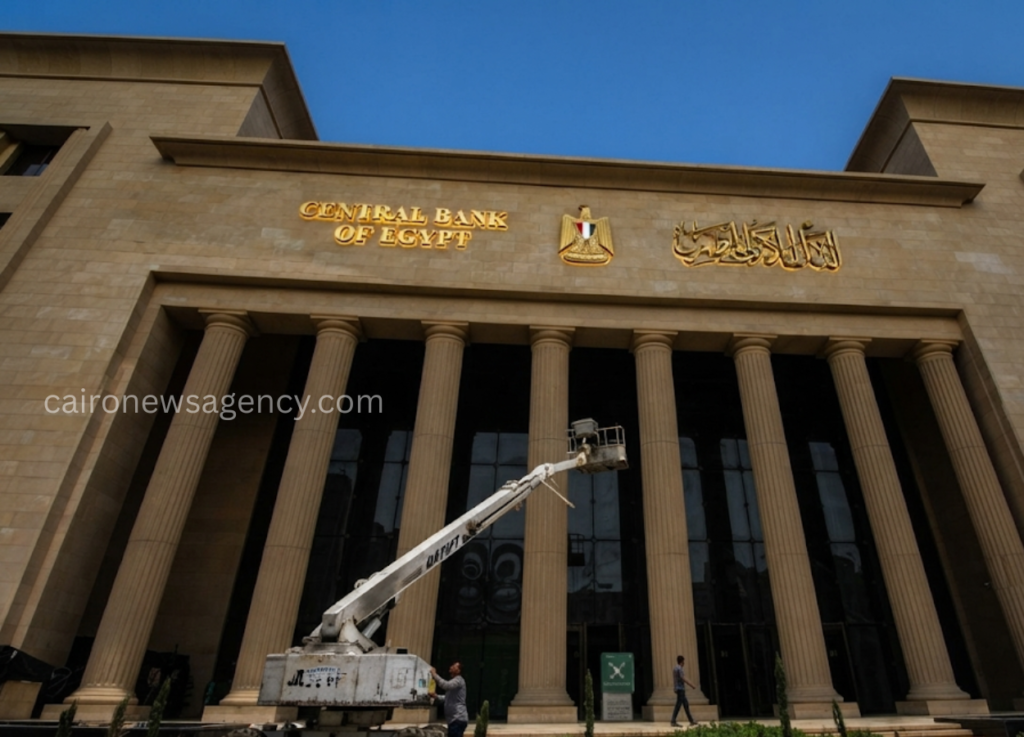
Meanwhile, national economic expansion experienced a slight deceleration, with second-quarter gross domestic product growing at 4.7%, down from 5% in the prior quarter. Despite this brief slowdown, full-year economic growth for the 2025/2026 fiscal cycle averaged 5.1%, with forecasts pointing to equivalent performance through the next fiscal year. Bank officials noted that while overall production sits below maximum capacity, industrial output should recover alongside broader economic stabilization by late 2027.
The central bank reiterated its commitment to using all available instruments to contain demand-side inflation while managing persistent external shocks. Fiscal policymakers signaled that interest rate trajectories will remain strictly tied to real-time economic data to navigate ongoing global financial uncertainty and regional trade friction. Cairo News Agency