


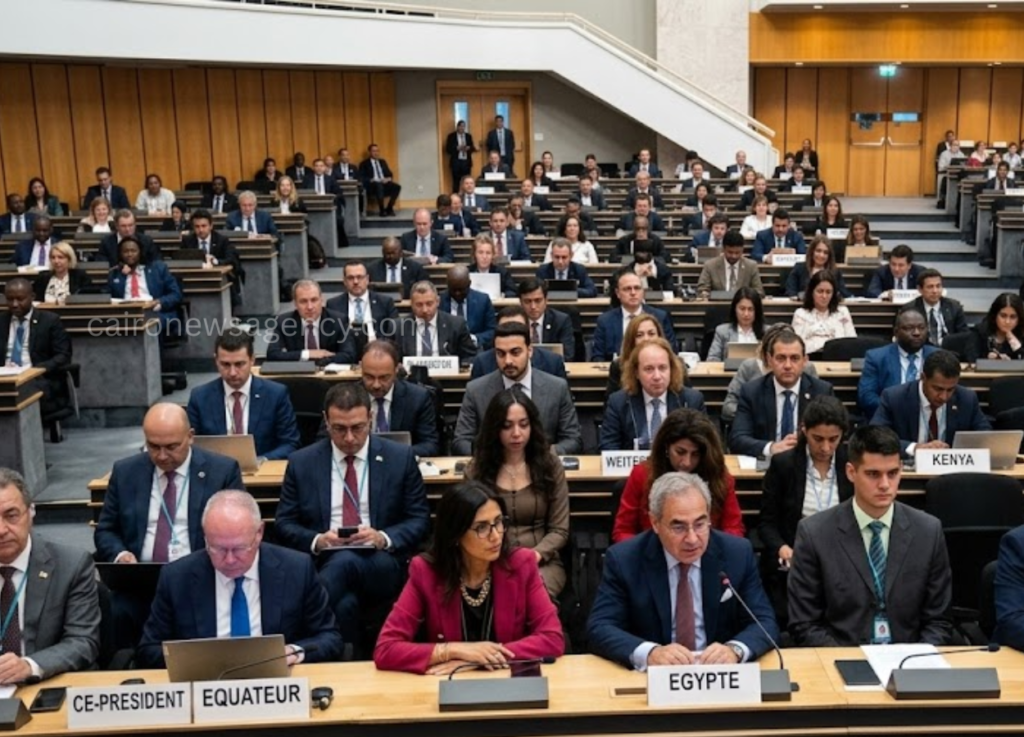
A resolution has been passed at the United Nations Human Rights Council with respect to artificial intelligence in light of its significant influence on human rights unanimously. The move is part of an essential diplomatic effort spearheaded by Egypt with the involvement of Bangladesh and other countries internationally.
The multilateral move is an indication of a common effort aimed at guaranteeing that technology evolves while ensuring fundamental human dignity. The central idea involved in the move includes ensuring that the development of commercial aspects of new technological platforms takes place without any ethical limitations, making artificial intelligence a tool of prosperity. Developing nations in particular are positioned to benefit from structured protections designed to bridge the global digital divide while fostering sustainable economic development.
By centering the right to fair employment opportunities and cultural diversity, the resolution mandates international cooperation to bridge capability gaps across the Global South. UN member states committed to expanding technical assistance, facilitating knowledge exchange, and enabling equitable technology transfers under agreed conditions. These steps aim to prevent advanced algorithms from reinforcing systemic biases or marginalizing vulnerable communities.
Furthermore, international observers point out that establishing unified ethical benchmarks is becoming increasingly urgent as autonomous decision-making systems rapidly deploy across critical sectors like healthcare, finance, and public administration. Middle Eastern regional technology hubs, which are heavily investing in digital infrastructure and state-of-the-art data infrastructure, stand to benefit from a stable global consensus that protects user safety while encouraging cross-border technical collaboration and sustainable private sector investment.
To translate the consensus into concrete policy, the UN body will convene a specialized session focusing on capacity building, ethics, and digital governance. The session will generate an action plan and an analytical assessment detailing practical recommendations for national governments and tech developers. Negotiations spearheaded by Egyptian diplomats emphasized that future digital progress must remain inclusive, providing fair access to technical tools without compromising individual freedoms.