
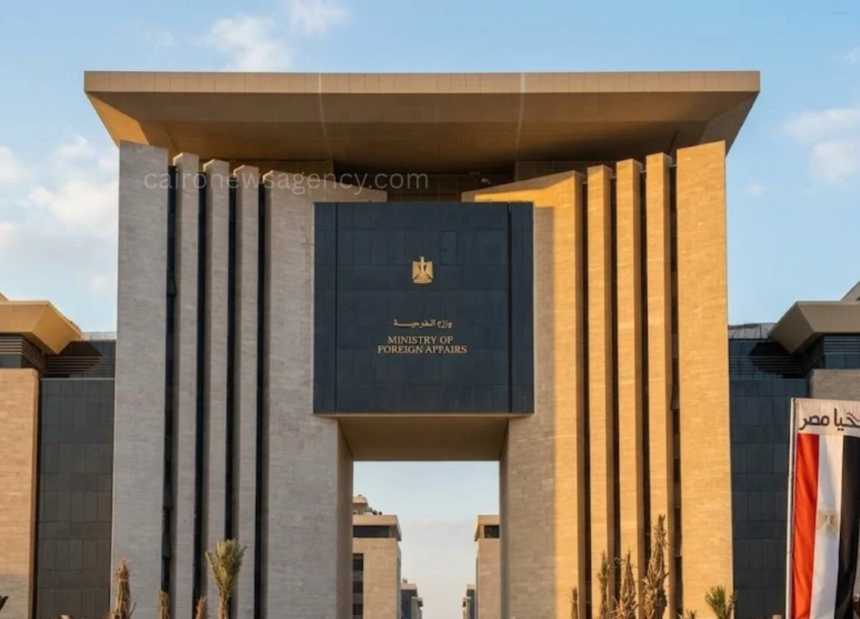
The Egyptian government has made an intense condemnation of the signing of the Memorandum of Understanding on maritime jurisdiction between Turkey and Libya by the Libyan House of Representatives, terming the parliamentary act as illegal and without any legal binding consequences concerning national boundaries.
In a foreign ministry statement, the parliamentary decision was said to have no legal consequences for Egypt. Absolute opposition to the memorandum was declared, with a warning about operational or administrative actions arising from it that might violate legal boundaries in the Mediterranean.
This regional crisis arose following a parliamentary endorsement of the controversial agreement in Libya. The legislative session also reversed a historic policy position by repealing a prior decree that had severed political ties with Ankara, signaling a major diplomatic realignment between the two nations. The original pact was initially brokered in November 2019 by Turkey and the Tripoli-based Government of National Accord led by former Prime Minister Fayez Al-Sarraj, sparking immediate multi-state pushback over shared sea zones.
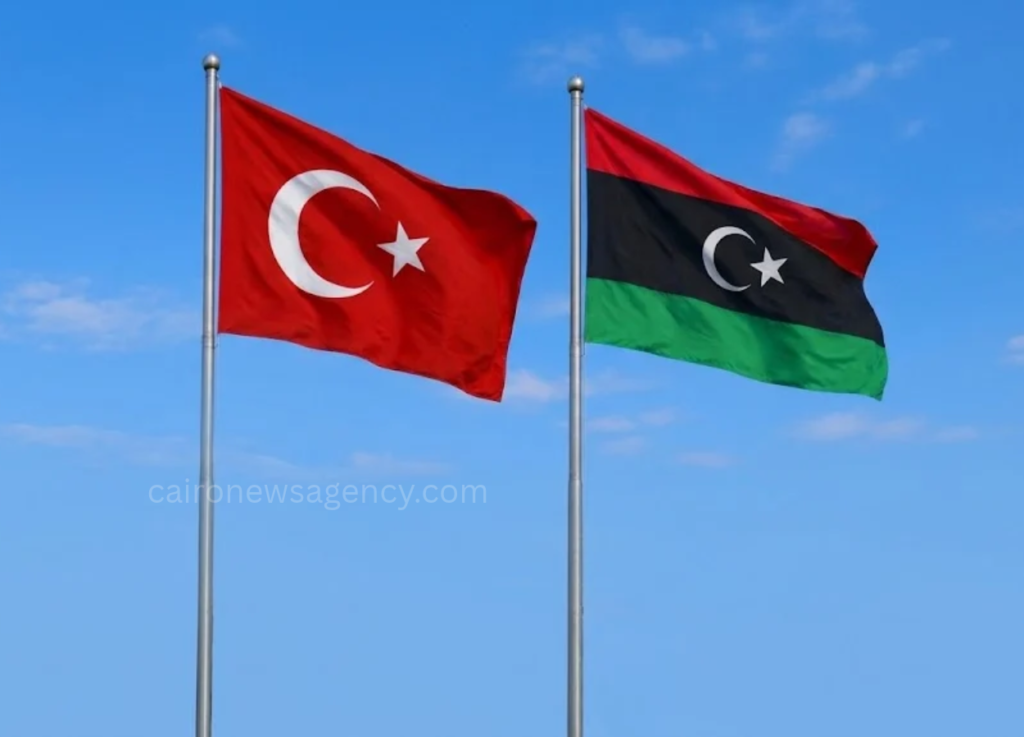
Regional capitals quickly rallied against the ratification. The European Union reiterated its longstanding stance, noting that the arrangement infringes on third-party sovereign rights, violates international maritime law, and remains null and void while pledging firm solidarity with Greece and Cyprus. Meanwhile, Athens condemned the vote, maintaining that Turkey and Libya lack opposite or adjacent coastlines to legally justify such a delimitation, pointing instead to its own lawful bilateral pacts concluded with Egypt and Italy.
Egyptian authorities stressed that the agreement directly breaches foundational principles of international maritime jurisprudence, specifically the 1982 United Nations Convention on the Law of the Sea. Cairo argued that the text undermines equity-based rules governing exclusive economic zones and continental shelves, infringing directly upon sovereign rights.
Reaffirming its unwavering position, the government stated it has previously logged formal objections and preserves full legal options to safeguard national interests and counter any jurisdictional transgressions.