
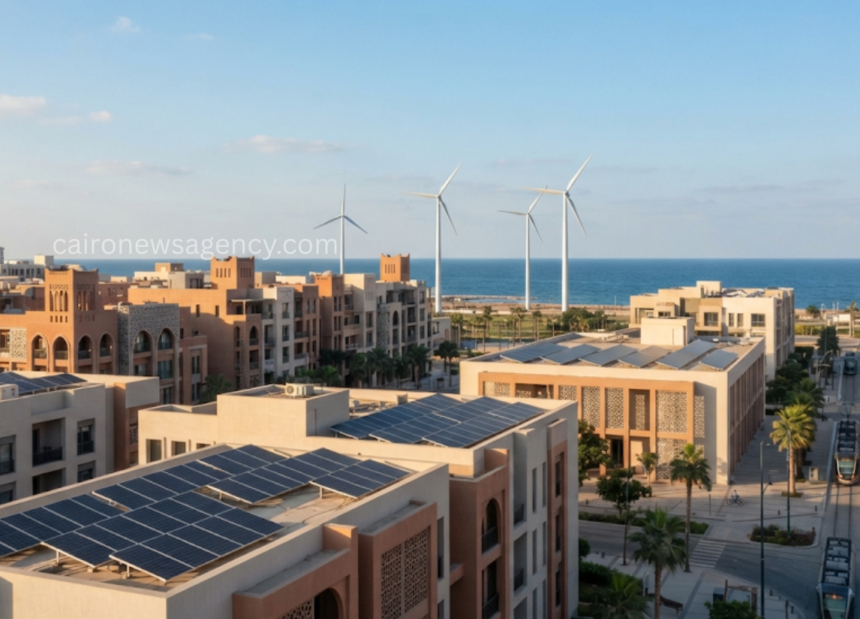
The government of Egypt has embarked on a mission to make reforms in its national power infrastructure through setting aggressive goals of increasing the ratio of renewable energy in its main grid along with upgrading the nation’s transport infrastructure. The approach involves developing capacities of solar and wind energy production as well as increasing the batteries’ capacity for storing energy.
The national project plays an essential role in the framework of energy of the country in that it seeks to ensure that 42 percent of the total electricity produced will be from renewable sources by 2030, with the projections going beyond 60 percent by 2040. To reach these goals, there is a need to make upgrades in the infrastructure of the state power organization in major provinces of the country.
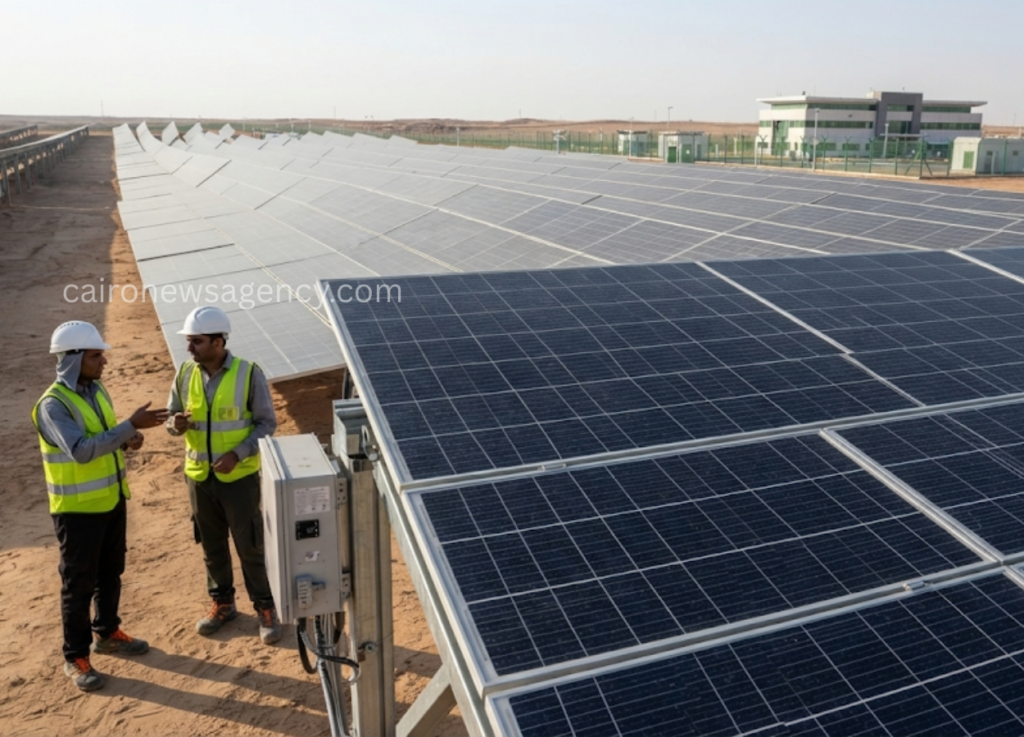
Crucial to this transition is the comprehensive modernization of the country’s grid infrastructure to support both clean generation and the electrification of urban mass transit systems. Government planners are prioritizing international grid-strengthening partnerships, including large-scale cross-border interconnections and technical collaborations with global energy firms. These initiatives target reducing operational line losses, lowering reliance on fossil fuels, and providing a stable power supply for expanding electric vehicle charging networks and eco-friendly public transit operations.
To ensure long-term viability, state authorities are also expanding private sector investment incentives, encouraging domestic and foreign developers to build localized equipment manufacturing plants. This strategic move aims to reduce reliance on imported components, streamline supply chains, and create thousands of specialized technical jobs nationwide.
Industry officials emphasize that strengthening grid resilience and expanding storage capacity are essential to managing variable power outputs from solar and wind assets. Beyond meeting local energy requirements, the sweeping overhaul aims to position the nation as a regional clean energy hub, driving sustainable economic growth and reducing carbon emissions across the Middle East and North Africa region.