
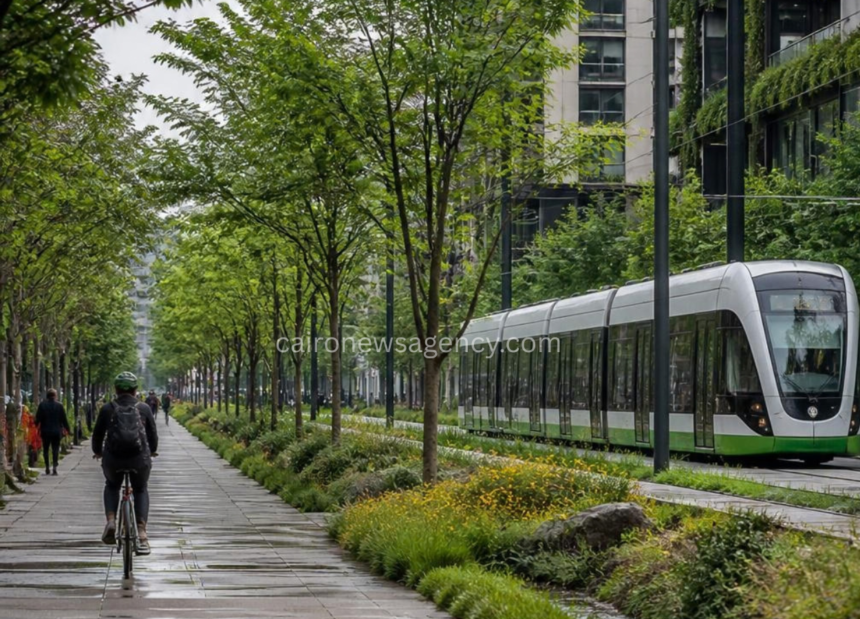
Prime Minister Mostafa Madbouly, has emphasized that there remains a continuous commitment from the government towards the expansion of the municipality vegetation and development of unused lands in all Egyptian governorates. The plan comes as a result of presidential orders from President Abdel Fattah al-Sisi where there will be a transformation of unused public areas into landscaped parks and environmentally sustainable corridors in order to improve aesthetic qualities of citizens and their well-being.
While inspecting the municipality afforestation projects in Cairo, with Local Development and Environment Minister Manal Awad and Cairo Governor Ibrahim Saber, he assessed the results achieved along major transportation paths. The government is focusing on transforming highway medians, underpasses, and city entrances into organized green spaces to increase the ratio of vegetation per person. Local government entities are spearheading coordinated campaigns across regional centers to protect existing trees while systematically introducing new botanical coverage.
The nationwide strategy balances municipal aesthetic improvements with environmental sustainability through scientific planning. Metropolitan authorities in the capital have partnered with specialized forestry consultants to select native and drought-tolerant flora tailored to the region’s hyper-arid climate.
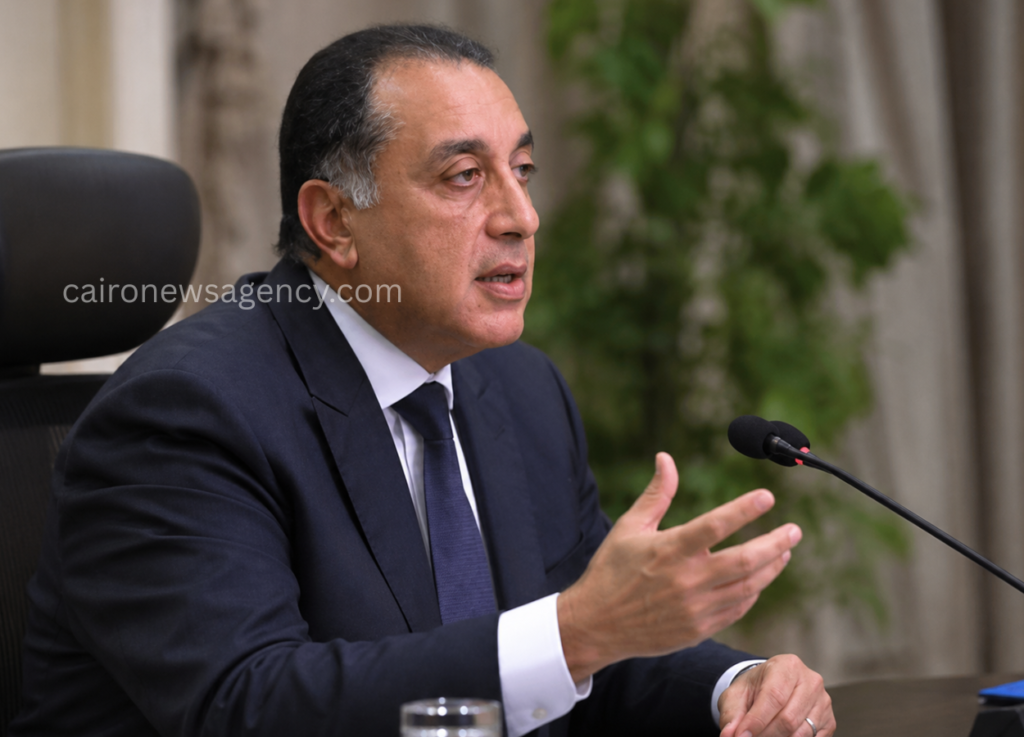
Agronomists have prioritized species that offer significant canopy coverage, accelerated growth cycles, and high resilience to climate fluctuations while minimizing water requirements. The chosen varieties feature hard-wooded and flowering flora, including jacaranda, neem, acacia, poinciana, and golden shower trees, integrated with modern water-efficient drip irrigation systems.
Initial field deployment under the Cairo master plan has yielded over 3,000 newly planted trees alongside roughly 700,000 shrubs and ground cover plants across primary thoroughfares. Municipal authorities are concurrently launching public awareness campaigns to foster community stewardship over local ecological spaces.
Furthermore, regional administration teams are expanding routine field inspections to monitor soil quality and ensure long-term maintenance of the newly established botanical sites. Officials emphasized that converting neglected urban pockets into managed vegetation zones serves as a core pillar in the state’s broader infrastructure modernizing blueprint.