
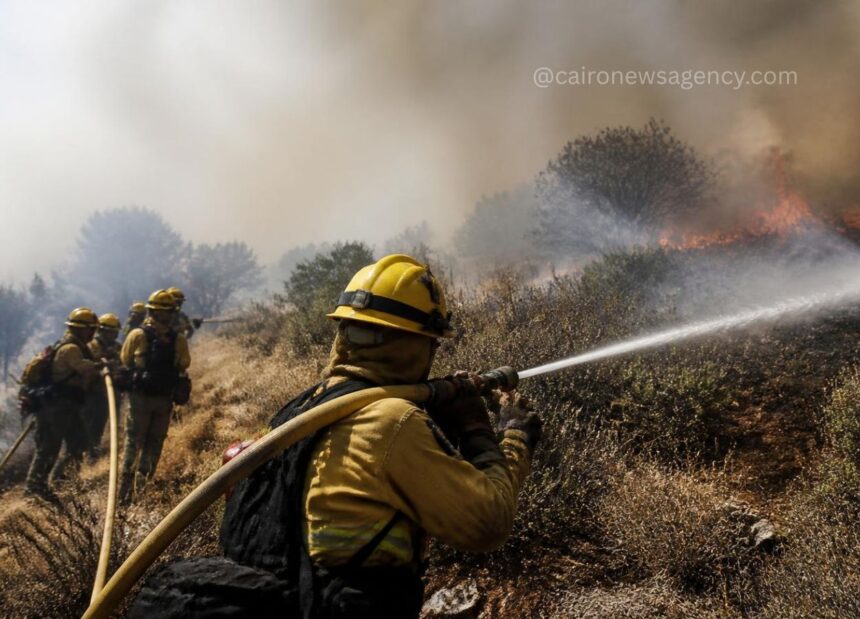
Increasing wildfires and heat waves triggered by global warming pose a significant threat to the well-being of mankind as well as jeopardise global initiatives to enhance air quality, the World Meteorological Organization (WMO) announced in an extensive report issued on Monday.
Releasing its yearly Air Quality and Climate Bulletin, the UN specialised body stressed the strong interconnectedness between air pollution and climate change and the need for an integrated response to both environmental phenomena.
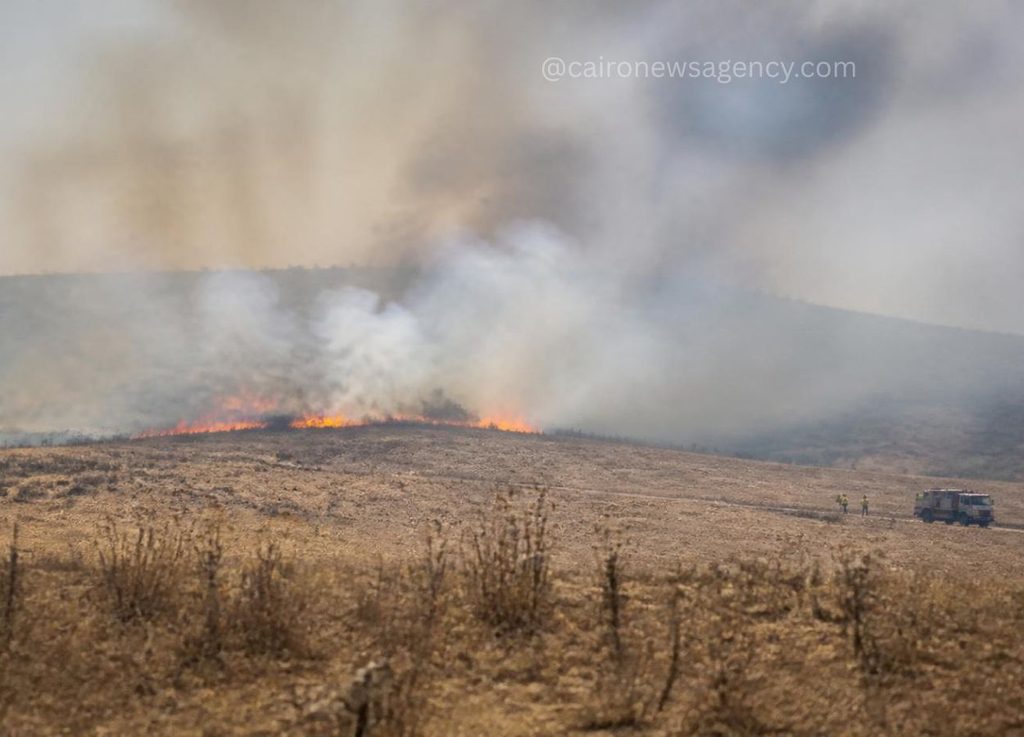
While regulation in Europe and North America has done much to drastically cut emissions from both industry and transportation, two of the main sources of PM 2.5 happen to be wildfires and heat waves.
The report discusses the negative impact that the increased toxicity of the smoke from wildfires can have on the population. The scientists from the WMO’s Global Atmosphere Watch network pointed out that the particles generated during the combustion of vegetation are more toxic than the ones emitted from industrial facilities. As the number of severe wildfires increased three times since the 1990s, and they have resulted in nearly 100,000 premature deaths each year, the WMO noted that the current global risk models underestimate the deadly effects of wildfires by as much as 93 per cent, since they only account for the total amount of PM2.5 suspended in the air, whereas the wildfire smoke contains much more toxic components.
In addition to toxic smoke, prolonged heatwaves exacerbate ground-level tropospheric ozone accumulation. Scorching temperatures, stagnant air conditions, and intense solar radiation promote ozone formation, which WMO modelling indicates could lead to tens of thousands of premature deaths annually from severe respiratory conditions and cardiovascular complications.
Beyond ozone accumulation, atmospheric scientists raised alarms regarding airborne aerosol pathways, including black carbon or soot and atmospheric microplastics. The deposition of black carbon onto polar snow and ice sheets accelerates melting by reducing surface reflectivity, while mismanaged plastic waste continues to fragment into microplastics with an estimated 51 million tonnes on land and 22 million tonnes in oceans recirculating through airborne channels into remote global ecosystems.
Addressing these compounding environmental risks, the UN weather agency called on governments to strictly enforce World Health Organization air quality guidelines, expand early warning health systems, and align climate mitigation policies directly with air pollution reduction frameworks to protect vulnerable global populations.