
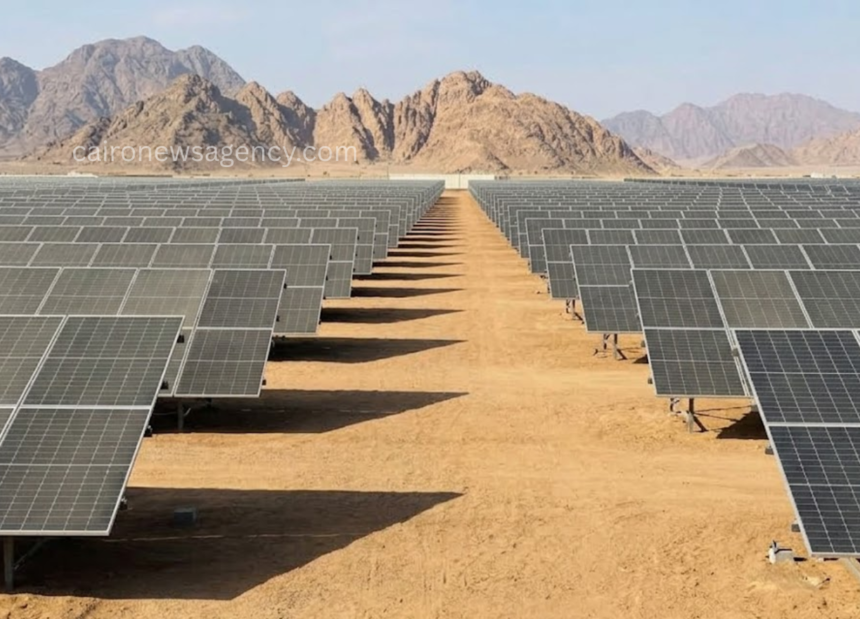
Egypt is advancing a strategic operational overhaul of its national power transmission infrastructure to integrate incoming solar and wind developments while ensuring uninterrupted utility distribution across all sectors.
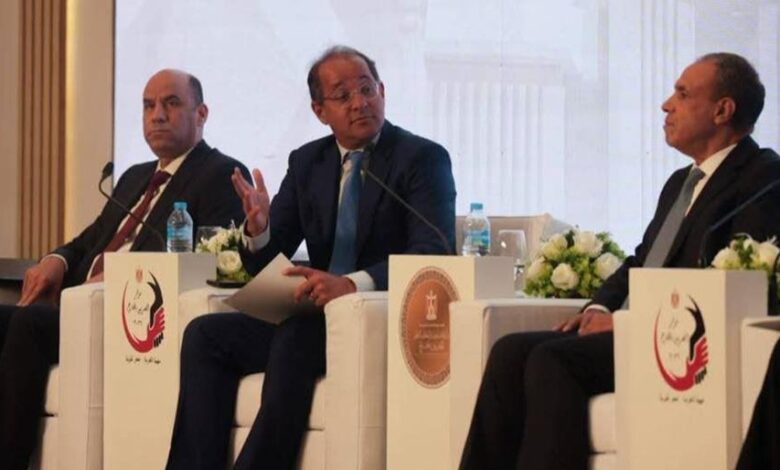
Minister of Electricity and Renewable Energy Mahmoud Esmat convened with the ministry’s strategic task force to review technical framework adjustments following unprecedented power demands recorded over the summer. The modernization drive centres on modernising the unified transmission system, mitigating reliance on heavy hydrocarbons, and deploying advanced battery energy storage systems (BESS). These utility-scale battery installations will operate both as standalone storage units and as integrated facilities directly connected to green generation sites to maintain frequency stability and smooth out peak-load spikes.
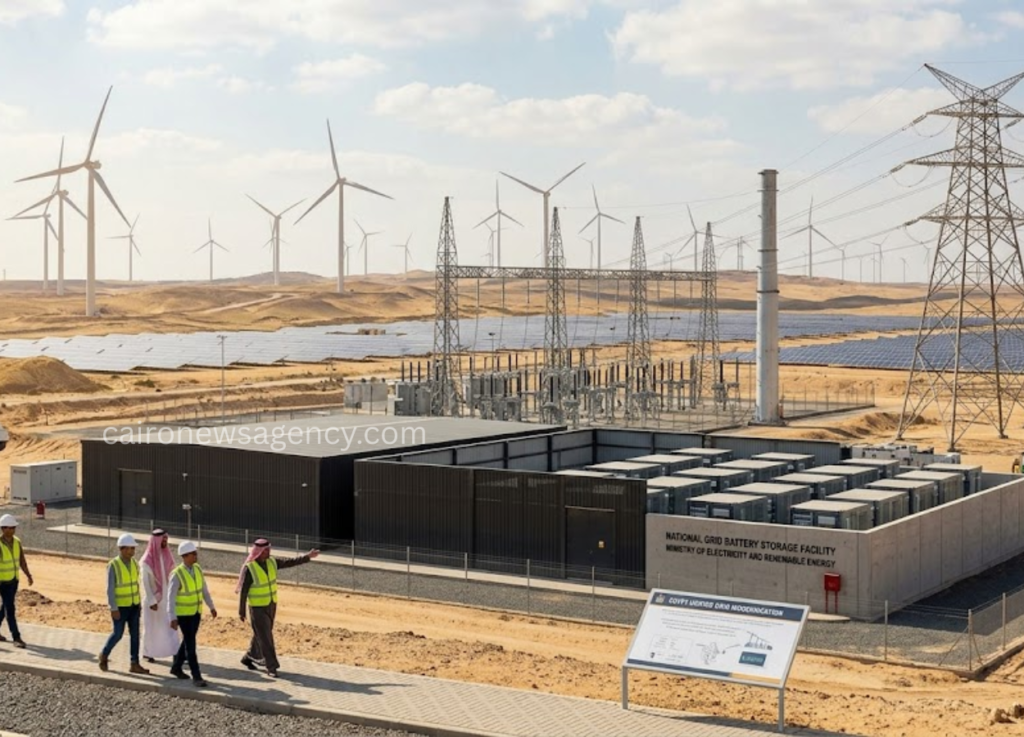
Key discussions during the executive briefing focused on establishing concrete execution timelines for grid-interconnection projects and managing technical requirements for added generation capacity. System studies derived from recent operational challenges are being leveraged to refine the ongoing multi-stage overhaul. Government officials confirmed that strategic load management protocols successfully preserved transmission stability despite record high-temperature consumption patterns. Parallel directives focus on enforcing higher energy efficiency standards across industrial and residential zones to lower overall generation pressure.
The high-level session involved senior sector executives, including Egyptian Electricity Holding Company Chairman Gaber Desouky, Egyptian Electricity Transmission Company Chairperson Mona Rizk, and New and Renewable Energy Authority CEO Ehab Ismail. Heads from the Strategic Planning Sector and the Egyptian Electric Utility and Consumer Protection Regulatory Agency also attended to align regulatory and operational frameworks.
These operational upgrades directly support the nation’s updated Integrated Sustainable Energy Strategy, which targets generating 42 per cent of its total electricity supply from renewable sources by 2030.
Minister Esmat highlighted that state energy policy prioritises quality standards, long-term sustainability, and economic optimization within power generation. Inter-agency coordination is proceeding to expand supply margins and prepare the regional power network for projected demand growth over the next decade.