

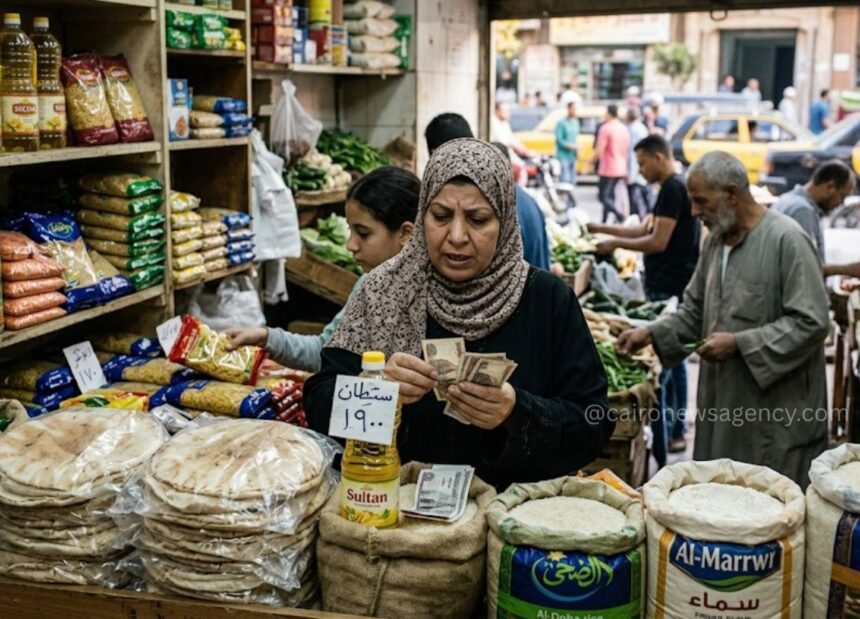
The government of Egypt is speeding up a radical restructuring of the nation’s welfare system, abandoning the old regime of physical allocation of commodities in favor of money payments. This reform is intended to optimize spending by the government as well as to bring the Egyptian welfare system into conformity with macroeconomic standards of the rest of the world despite the challenges posed by high inflation and weak buying power. Egypt food subsidies
According to the new policy, the old system of allocation of staple foodstuffs at subsidized prices is now being substituted for a system of money transfers.
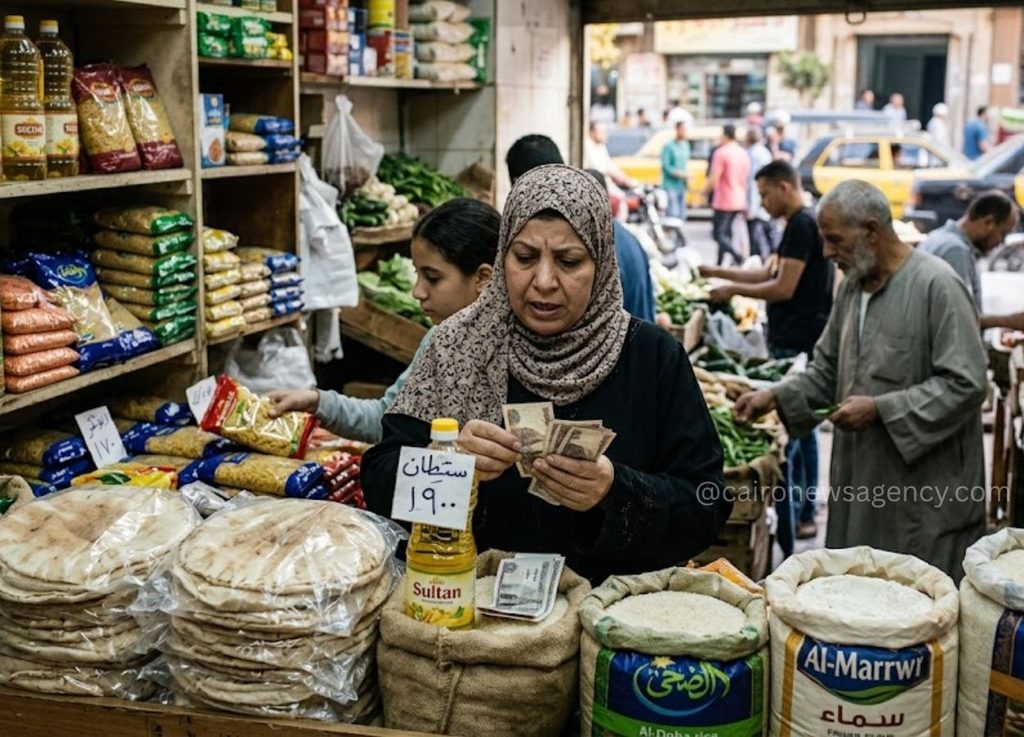
Government officials state that financial aid will now be calibrated according to socio-economic indicators and income brackets, ensuring that the highest levels of support reach the nation’s lowest-earning families. The Ministry of Supply and Internal Trade maintains that substituting commodity distributions with direct payments will eliminate supply-chain leakage, curtail market distortions, and reduce administrative overheads across public distribution networks.
The transition arrives at a delicate moment for the Arab world’s most populous nation, where consumer prices have surged following successive currency devaluations and global supply shocks. For generations, state-backed food support has served as an indispensable economic buffer for working-class citizens. In recent fiscal projections, food assistance accounted for nearly a quarter of overall social expenditure, with national bread subsidies alone providing daily rations to roughly 70 million beneficiaries across the country.
International financial institutions, most notably the International Monetary Fund (IMF), have long advocated for Egypt to dismantle broad-based commodity subsidies as a core condition for structural adjustment programs and financial aid packages. Multilateral lenders argue that universal price controls drain fiscal reserves and disproportionately benefit higher-income demographics who consume larger quantities of goods. By converting to direct, targeted transfers, Cairo intends to stabilize its public debt-to-GDP ratio while maintaining a tighter fiscal trajectory.
Despite government assurances that financial allocations will be adjusted periodically to reflect changing market prices, local consumer advocacy groups and independent economists express concern over the transition. Critics highlight that fixed cash disbursements risk rapid erosion during periods of sharp currency volatility or global food price spikes, leaving vulnerable households exposed to severe nutritional deficits.
To mitigate these risks, public authorities have pledged to implement real-time price monitoring mechanisms across retail markets while strengthening social assistance registries. Policy experts emphasize that the ultimate success of the reform will depend heavily on the government’s capacity to index cash support directly to real inflation rates, ensuring that the country’s most vulnerable populations remain protected from sudden economic shocks. Cairo News Agency